August 13, 2026
Home comfort depends heavily on having a dependable climate system that keeps indoor temperatures consistent and inviting throughout every season of the year. Managing indoor climate requires a solid understanding of how modern heating and cooling equipment functions, how air circulates through living spaces, and how regular maintenance protects your equipment investment. Partnering with a skilled HVAC company ensures your household stays comfortable while keeping system operation running smooth.
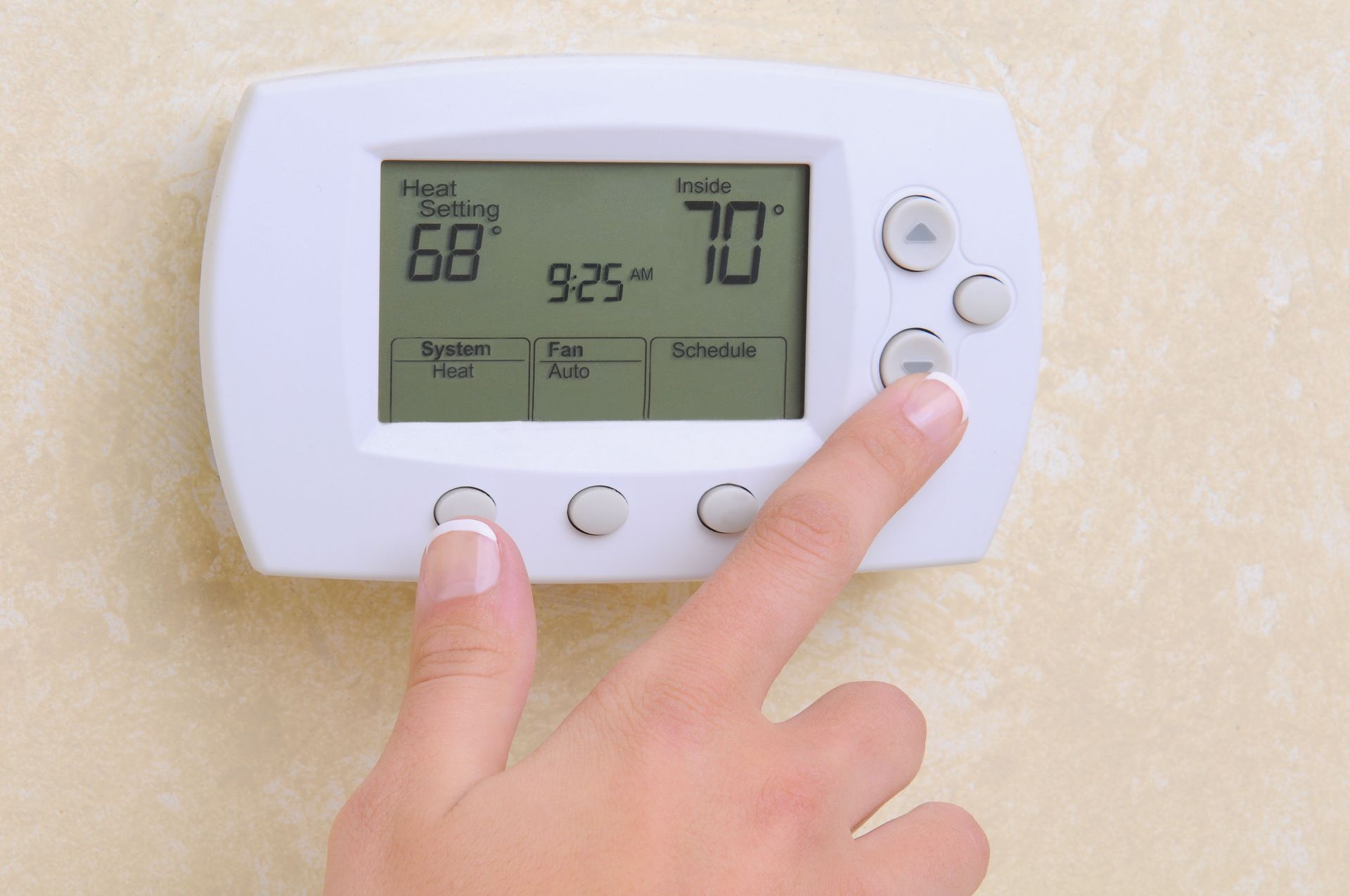
Maintaining proper indoor climate control involves far more than just setting a target temperature on a living room thermostat. It requires evaluating total equipment capacity, managing proper air circulation, and addressing the unique architectural layout of your home. From traditional oil and steam boilers to modern ductless mini-splits, selecting the right equipment ensures your living spaces remain inviting, healthy, and balanced.
Understanding Central Heating and Cooling Foundations
Residential climate systems have evolved dramatically over time, expanding from basic heating units into multi-faceted setup options designed for comprehensive indoor climate control. Traditional systems relied on simple coal or wood heat, whereas modern homes feature versatile setups utilizing electricity, natural gas, heating oil, and heat pumps. Central cooling and forced-air units distribute conditioned air through ductwork, while specialized options like hydronic steam boilers deliver steady, radiant warmth to historic and traditional structures. Working with a dependable HVAC company helps homeowners navigate these technical distinctions to select system options tailored specifically to their residential layout and daily lifestyle needs.
Every residential climate setup relies on several fundamental components working together seamlessly to maintain a balanced indoor environment. Furnaces and boilers generate essential warmth during colder months, while air conditioners and heat pumps extract heat from indoors during summer. The compressor acts as the heart of cooling equipment, circulating refrigerant through evaporator and condenser coils to facilitate thermal transfer. Meanwhile, blower fans push conditioned air through ductwork into individual living areas. Ensuring each component receives timely maintenance prevents mechanical friction, minimizes wear on vital moving parts, and keeps equipment performing without unnecessary operational strain.
Assessing Home Layout and Airflow Needs
Determining the right setup for a home begins with thoroughly assessing structure dimensions, architectural layout, and insulation quality. Larger residences require higher capacity equipment to move air across extensive square footage, while smaller spaces demand compact systems to avoid short cycling. Insulation plays a crucial role by retaining conditioned air and preventing thermal transfer through walls, attics, and window seals. Evaluating these factors prevents installing improperly sized units that struggle to reach desired temperatures, waste mechanical energy, or create cold and hot spots throughout different rooms in the house.
Local weather patterns and family habits also dictate specific operational requirements for home heating and cooling units. Regions experiencing freezing winters need high-efficiency heating systems like furnaces or heavy-duty boilers, whereas humid summer regions rely heavily on robust cooling units and whole-house dehumidification. Families with varied daily routines or health concerns require customized strategies like temperature zoning or enhanced air filtration systems. Consulting an experienced HVAC company ensures all layout, climate, and household requirements are factored into system selection for well-rounded performance and long-lasting indoor satisfaction.
Selecting Suitable Climate Control Systems
Selecting between heating and cooling configurations requires comparing how different equipment handles diverse environmental demands across changing seasons. Central air conditioning remains a classic choice for homes with existing ductwork, offering uniform cooling across all rooms. For residences lacking ducts or seeking room-by-room control, ductless mini-split systems provide flexible, targeted comfort without major structural modifications. Heat pumps present another adaptable alternative, serving as dual-function units capable of both heating and cooling by reversing refrigerant flow as seasonal needs change. Relying on a qualified HVAC company helps streamline this decision process by assessing existing infrastructure.
Older residences often feature specialized heating infrastructure like oil or steam boilers that demand unique technical familiarity and specialized expertise. Hydronic systems deliver comfortable, quiet warmth through radiators, keeping indoor air from drying out during harsh winter seasons. Packaged units combine heating and cooling elements into a single external cabinet, making them ideal for properties with limited indoor basement or closet space. Understanding the specific benefits of each equipment type enables homeowners to pick a setup that meets functional preferences while preserving structural integrity and year-round indoor comfort.
Maintaining Peak System Efficiency and Longevity
Preventive maintenance is vital for extending equipment service life and maintaining reliable operation throughout every season of the year. Routine tune-ups involve inspecting electrical connections, checking refrigerant levels, lubricating moving parts, and cleaning dirty coils. Neglecting regular maintenance allows dust and debris to build up on sensitive components, forcing blower motors to work harder and increasing mechanical wear over time. Working with an established HVAC company for seasonal maintenance ensures hidden mechanical issues are identified and corrected early before developing into inconvenient, expensive system failures.
Air filters play a primary role in safeguarding internal equipment while maintaining proper airflow across heating and cooling coils. Clogged or dirty filters restrict air movement, causing cooling coils to freeze or heating elements to overheat and shut down unexpectedly. Replacing filters regularly prevents unnecessary system strain and keeps clean air circulating freely throughout ductwork. Establishing a consistent seasonal maintenance schedule protects manufacturer warranties, minimizes unexpected repair calls, and ensures equipment runs smoothly during severe weather spikes when your household needs it most.
Improving Indoor Air Quality and Circulation
Indoor air quality significantly impacts daily living comfort, household hygiene, and overall wellness within the home environment. Dust, pollen, pet dander, and airborne particles gather within closed spaces, continuously circulating through ductwork when filters are overlooked. Whole-home air purifiers and upgraded media filters integrate directly into heating and cooling systems to trap microscopic particles before they reach living quarters. Maintaining balanced indoor humidity is equally important, as dry winter air can cause respiratory discomfort, while excessive summer humidity fosters mold growth and lingering indoor odor issues.
Specialized equipment like whole-house humidifiers, dehumidifiers, and dedicated ventilation systems help maintain balanced moisture levels across all seasons. Zoning systems further enhance airflow control by dividing a home into distinct temperature zones, allowing customized comfort settings for different floors or rooms. Proper ductwork design and regular sealing prevent conditioned air from escaping into unconditioned spaces like basements or attics. Partnering with a knowledgeable HVAC company guarantees that air purification, humidity control, and ductwork solutions are seamlessly integrated for healthier indoor environments and optimal circulation.
Partnering With Qualified Industry Specialists
Professional installation and expert service form the foundation of long-term equipment reliability and household safety. Improperly installed units often suffer from refrigerant leaks, improper airflow balance, and electrical hazards that compromise performance. Partnering with a dedicated HVAC company ensures that load calculations are accurately performed and manufacturer guidelines are strictly followed during every installation or service visit. Qualified technicians bring essential expertise to complex tasks, protecting home investments against premature mechanical failure and keeping equipment running safely and efficiently.
Finding skilled technicians has become increasingly important as technical labor shortages impact service availability nationwide. According to Workyard.com, the heating and cooling sector is dealing with a deficit of 110,000 service technicians, alongside an annual departure rate of 25,000 workers. This growing deficit highlights the value of establishing a reliable relationship with an established local provider that employs trained, experienced specialists. Securing dependable service from professional technicians guarantees prompt response times, thorough diagnostics, and long-term peace of mind for your household.
Achieving total home comfort requires a proactive approach to equipment selection, indoor air quality management, and routine system care. Understanding how heating and cooling equipment operates empowers homeowners to make informed decisions that protect living conditions across all four seasons. From traditional steam boilers and versatile ductless mini-splits to seasonal inspections and advanced air filtration, proper system maintenance yields long-lasting performance and dependable comfort for your family.
Investing in professional care ensures your household remains safe, healthy, and perfectly climate-controlled year-round. When you are ready to upgrade, maintain, or repair your home comfort systems, contact our team at All-Star Home Comfort to schedule your service.